Introduction
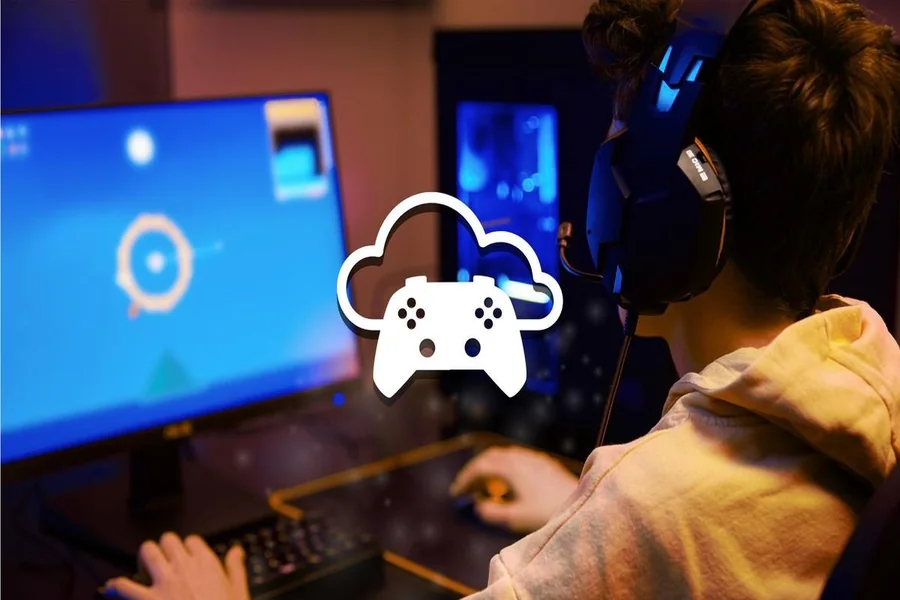
The gaming industry is constantly evolving, and one of the most revolutionary changes in recent years is cloud gaming. Unlike traditional gaming, which requires powerful hardware and local installations, cloud gaming allows players to stream games directly from servers over the internet. This innovation is transforming slot depo 5k by making high-quality games more accessible, reducing hardware barriers, and enabling seamless gameplay experiences across devices.
In this article, we explore how cloud gaming is changing the online gaming landscape, its benefits, challenges, and what the future holds for gamers worldwide.
What Is Cloud Gaming?
Cloud gaming, also known as game streaming, is a technology that allows games to run on remote servers in data centers rather than on a player’s local device. Players interact with the game through streaming, sending input commands via their internet connection while receiving real-time video and audio output.
Popular cloud gaming platforms include Google Stadia, NVIDIA GeForce Now, Xbox Cloud Gaming (xCloud), and PlayStation Now. These services provide access to high-end games without the need for expensive consoles or gaming PCs.
How Cloud Gaming Enhances Online Gaming
1. Accessibility Across Devices
Cloud gaming allows users to play high-quality games on devices that would traditionally be incapable of running them. Laptops, tablets, smartphones, and even smart TVs can access games via streaming. This opens up online gaming to a much broader audience.
2. Instant Play and No Downloads
With cloud gaming, players can start games instantly without lengthy downloads or installations. Updates and patches are handled server-side, reducing wait times and improving convenience.
3. High-Quality Graphics Without Expensive Hardware
Cloud servers handle the processing power, enabling games to run at high resolutions and frame rates even on low-end devices. Gamers can enjoy graphics-intensive titles without purchasing costly gaming rigs.
4. Seamless Multiplayer Experiences
Online gaming relies heavily on connectivity and server stability. Cloud gaming platforms are designed to minimize latency, offering smoother multiplayer experiences with less risk of lag and disconnections.
5. Flexibility and Portability
Gamers can switch devices effortlessly without losing progress. A game started on a PC can be continued on a tablet or smartphone, making online gaming more flexible and portable than ever before.
Benefits of Cloud Gaming for Players
- Reduced Cost: No need to invest in high-end consoles or PCs.
- Cross-Platform Play: Play the same game across multiple devices.
- Instant Access: Start games immediately without waiting for downloads.
- Automatic Updates: Always play the latest version of the game without manual patches.
- Global Multiplayer: Connect with players worldwide with reduced server issues.
Challenges and Limitations of Cloud Gaming
1. Dependence on Internet Speed
Cloud gaming requires a fast and stable internet connection. Slow or unstable connections can cause lag, buffering, and a poor gaming experience.
2. Latency Issues
Even with fast internet, some games—especially competitive shooters—may experience slight delays between input and on-screen response, affecting gameplay.
3. Limited Game Libraries
Not all games are available on cloud platforms. While libraries are growing, some popular titles may remain console or PC exclusive.
4. Subscription Costs
Cloud gaming often works on a subscription model. While it reduces hardware costs, the recurring fees may accumulate over time.
5. Data Consumption
Streaming high-quality games consumes significant bandwidth, which may be a concern for players with limited data plans.
The Impact of Cloud Gaming on the Online Gaming Industry
Cloud gaming is reshaping the gaming industry in several ways:
- Lower Entry Barriers: More players can access high-quality games without expensive equipment.
- Global Reach: Developers can reach audiences worldwide more easily, increasing player bases.
- Esports Expansion: Cloud gaming makes it easier for players to participate in competitive gaming, even without dedicated gaming hardware.
- Game Development: Developers can design games optimized for streaming, reducing hardware-specific limitations.
- Sustainability: Fewer physical consoles and discs reduce electronic waste and manufacturing costs.
The Future of Cloud Gaming
The future of cloud gaming looks promising, especially with advancements in internet infrastructure, including 5G and fiber-optic networks. These improvements will reduce latency and improve streaming quality, making cloud gaming more viable for competitive online play.
Integration with virtual reality (VR) and augmented reality (AR) is also on the horizon, allowing cloud platforms to support immersive experiences that were previously limited to high-end hardware. Additionally, cross-platform and social gaming features will continue to enhance community interaction.
Conclusion
Cloud gaming is transforming online gaming by making high-quality, graphics-intensive games accessible to more players than ever before. slot demo It eliminates the need for expensive hardware, offers instant access, and provides a flexible, cross-platform gaming experience. While challenges such as internet dependency and latency remain, technological advancements are steadily addressing these limitations.
As cloud gaming continues to grow, it promises a future where online gaming is more inclusive, portable, and immersive, redefining how players interact with games and each other. Whether for casual play or competitive esports, cloud gaming is shaping the next era of digital entertainment.